

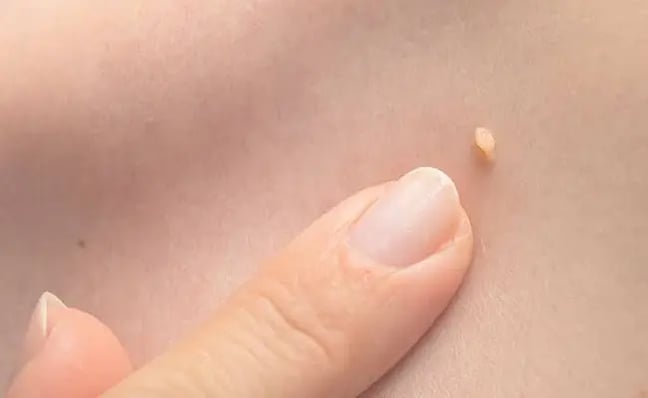
Genital warts are skin growths caused by certain types of human papillomavirus, or HPV. Treating visible warts can improve symptoms and appearance, but it does not prove the virus has disappeared or that transmission is impossible. A useful care plan covers the diagnosis, treatment, healing, partner advice and prevention rather than stopping at removal of the lumps.
Confirm what the growths are
A clinician usually recognises genital warts by examining them. Other skin conditions can look similar, so do not use ordinary pharmacy wart-removal products on genital skin. An unusual, hard, ulcerated, bleeding or treatment-resistant lesion may need a biopsy. Tell the clinician about pregnancy, medicines and any condition affecting immunity. These details can change which treatments are suitable and how closely the area needs review.
Choose treatment for the actual problem
Options include prescribed preparations, freezing and removal using selected procedures. Observation may be reasonable for some confirmed warts, because they can sometimes settle without treatment. Choice depends on their site, extent, symptoms and your preferences; no single method suits everyone. Ask how to protect surrounding skin, what irritation is expected and when treatment should pause. Internal lesions may require assessment by another appropriate specialist.
Let treatment guide aftercare
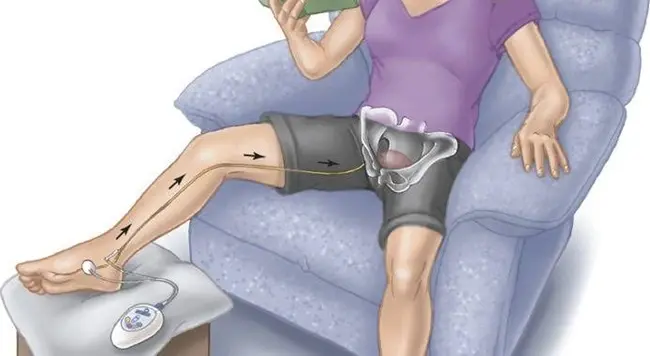
What happens during test stimulation? A fine wire is placed near a sacral nerve in the lower back and connected to an external stimulator. The anaesthetic and wire arrangement depend on the planned technique. The test usually continues for a few weeks, with the exact duration explained beforehand. You keep another diary while using the device. Improvement during a trial is encouraging, but does not guarantee that a permanent implant will keep working equally well indefinitely.
Give partners accurate information
Tell current sexual partners about the diagnosis. They may already share HPV despite having no visible lesions; examination and testing for other sexually transmitted infections may be useful. A partner without warts does not automatically need wart treatment, and routine HPV testing of partners is not recommended. Warts can appear long after infection, so the diagnosis cannot reliably identify when transmission happened or establish infidelity.
Prevention still matters afterwards
HPV vaccination prevents new infections with covered types; it does not treat existing infection or remove established warts. Discuss eligibility and the locally applicable schedule, including whether vaccination may still offer benefit after previous exposure. Condoms lower transmission risk but leave some skin uncovered. Continue appropriate cervical screening if you have a cervix: genital warts alone do not mean screening must become more frequent. Recurrence can happen, and disappearance of warts does not provide a test of complete viral clearance.
Follow-up, limitations, and warning signs
Discomfort, infection, lead movement, or loss of benefit can occur. Reprogramming may help, but another operation to revise or remove a component is sometimes needed. Report wound redness, discharge, fever, or increasing pain promptly. Inability to pass urine needs urgent assessment. Keep your device identification details and tell other clinicians about the implant before MRI scans, surgery, or electrical treatments; safety depends on the complete system and the proposed procedure.
Discussing your options through DRHC
A consultation with Dr. Mansour Masoumi, Specialist Urologist, can help connect these choices with your symptoms, previous treatment, and practical priorities. Bring relevant results and a current medicine list. Care can be discussed and arranged through DRHC; the final treatment is chosen after an individual assessment and an explanation of the likely benefits, limitations, and alternatives.
Disclaimer:
This article is educational and does not replace a medical consultation. Do not use it for self-diagnosis or self-treatment, or to start, stop, or change medicines. Your doctor should guide decisions after assessing your circumstances.

Learn more about our Editorial Process.
Topic: Urology Blogs




Leave a comment