

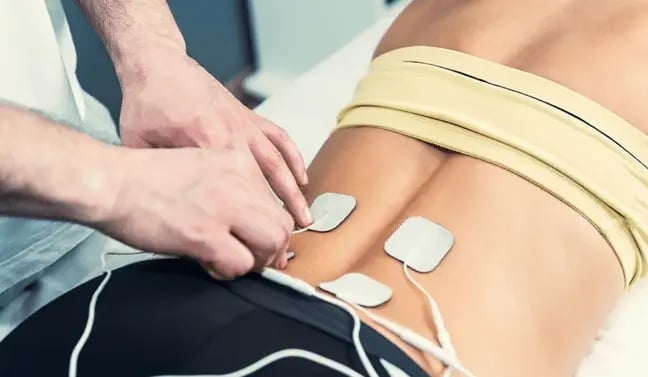
Sacral neuromodulation uses a small implanted device to send gentle electrical pulses to nerves involved in bladder control. It may be considered when urgency, frequent urination, or urgency leakage remains troublesome despite other treatment. A temporary test comes first, allowing you and your team to assess whether stimulation helps enough to justify an implant. It is an ongoing treatment rather than a guaranteed cure.
Which bladder problems can it help?
The treatment is mainly discussed for an overactive bladder that has not responded adequately to suitable conservative measures and medicines. It can also help selected people with urinary retention when there is no physical blockage. It does not remove an enlarged prostate, open a urethral stricture, or directly treat leakage caused by coughing. Assessment must establish the cause of your symptoms before choosing a nerve treatment.
Preparing for a useful test
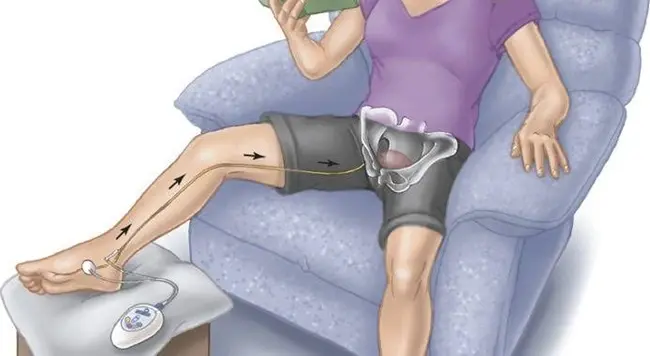
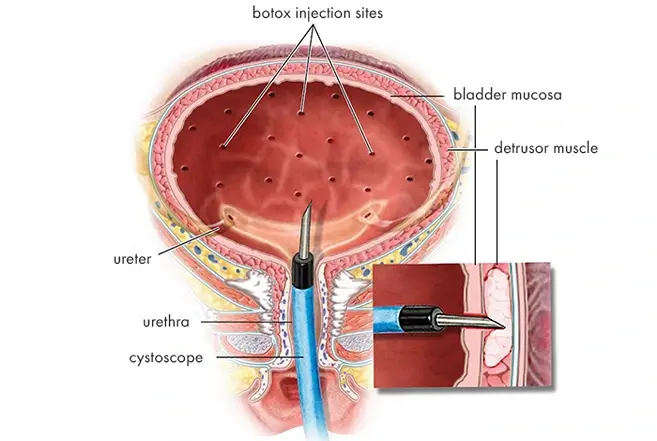
A bladder diary records toilet visits, leakage, and urgency before stimulation starts. Depending on your symptoms, urine tests, bladder-emptying measurements, or other investigations may be needed. Bring your medicine list and previous treatment records. Agree on what a useful improvement would mean for you, such as fewer accidents or less need for catheterisation. Discuss bladder training, medicines, tibial nerve stimulation, and bladder Botox where appropriate, including their different practical commitments.
What happens during test stimulation?
What happens during test stimulation? A fine wire is placed near a sacral nerve in the lower back and connected to an external stimulator. The anaesthetic and wire arrangement depend on the planned technique. The test usually continues for a few weeks, with the exact duration explained beforehand. You keep another diary while using the device. Improvement during a trial is encouraging, but does not guarantee that a permanent implant will keep working equally well indefinitely.
Looking after the test wire
Follow the specific instructions for dressing care, washing, movement, and work. Avoid pulling the wire or disconnecting equipment unless taught to do so. Ask how to manage sleep and clothing comfortably, and whom to contact if the dressing loosens or stimulation changes. If the test does not provide a worthwhile benefit, the wire is removed, and other options are reviewed; proceeding to implantation is a separate decision.
Implantation and everyday use
After a helpful test, a small pulse generator can be placed beneath the skin, usually in the upper buttock, and connected to a lead. The team programmes it and teaches you how to use your controller. Some systems need regular charging; others eventually need battery replacement. Ask about the actual device, charging routine, and follow-up support before choosing it. Recovery advice should reflect your operation, job, and activities.
Follow-up, limitations, and warning signs
Discomfort, infection, lead movement, or loss of benefit can occur. Reprogramming may help, but another operation to revise or remove a component is sometimes needed. Report wound redness, discharge, fever, or increasing pain promptly. Inability to pass urine needs urgent assessment. Keep your device identification details and tell other clinicians about the implant before MRI scans, surgery, or electrical treatments; safety depends on the complete system and the proposed procedure.
Discussing your options through DRHC
A consultation with Dr. Mansour Masoumi, Specialist Urologist, can help connect these choices with your symptoms, previous treatment, and practical priorities. Bring relevant results and a current medicine list. Care can be discussed and arranged through DRHC; the final treatment is chosen after an individual assessment and an explanation of the likely benefits, limitations, and alternatives.
Disclaimer:
This article is educational and does not replace a medical consultation. Do not use it for self-diagnosis or self-treatment, or to start, stop, or change medicines. Your doctor should guide decisions after assessing your circumstances.

Learn more about our Editorial Process.
Topic: Urology Blogs



Leave a comment