

A slower urine stream or another trip to the bathroom during the night can be easy to put down to getting older. Sometimes an enlarged prostate is involved, but age alone does not explain every urinary change. An assessment helps you understand what is happening and whether simple measures, medicines, or a procedure would make everyday life easier.
Where the prostate fits in
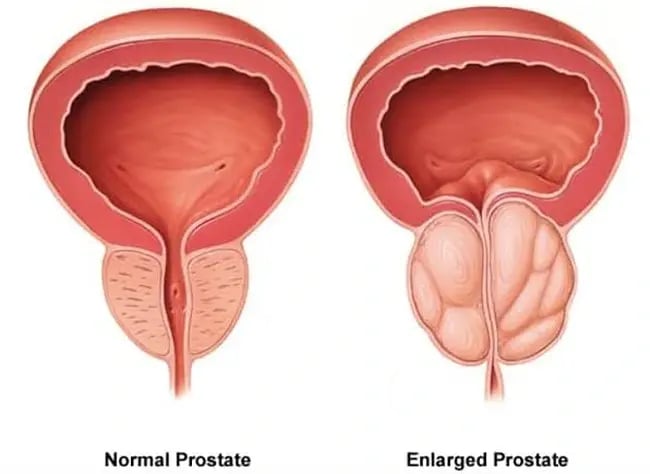
The prostate sits below the bladder and surrounds the first part of the tube carrying urine out of the body. As it enlarges, it may narrow that passage. The medical name is benign prostatic hyperplasia, or BPH. Benign means non-cancerous. The gland can be enlarged without causing much trouble, so its size on a scan is only one part of the picture.
Symptoms worth discussing
You might wait longer for urination to begin, notice a weak or interrupted stream, strain, or feel that the bladder has not emptied. Urgency, frequent daytime visits, and nighttime urination may accompany these changes. Tell your doctor which symptom bothers you most. Someone whose sleep is repeatedly interrupted may have different priorities from someone mainly troubled by a slow stream.
Why does the doctor ask about more than the prostate?
Bladder overactivity, urinary infection, diabetes, medicines, and sleep problems can also affect urination. Your doctor will ask about your usual drinks, bowel habits, and other health conditions. Bring a list of tablets, supplements, and non-prescription products. Some cold remedies and other medicines can worsen urinary difficulty, but prescribed treatment should not be stopped without medical advice.
What the checks may involve
Assessment may include an examination, a urine test, and a symptom questionnaire. In a specialist clinic, measuring urine flow and checking how much urine remains in the bladder can be useful. A PSA blood test may be discussed when it would influence your care. PSA is not a stand-alone answer to whether someone has cancer, and not every urinary symptom calls for extensive testing.
When monitoring is enough
If symptoms are mild and the bladder is functioning adequately, observation with practical advice may be appropriate. This still includes a review if things change. Treatment becomes more relevant when symptoms interfere with daily life or the assessment identifies a problem needing attention. Being unable to pass urine, especially with a painful full bladder, requires urgent care rather than waiting for a routine review.
A plan based on your daily life
Before your visit, note how often you get up at night and what happens when you try to pass urine. A consultation with Dr. Mansour Masoumi, Specialist Urologist, through DRHC brings those details together with the examination and tests. The final treatment decision follows that individual assessment and a discussion of what matters most to you, including sleep, comfort, and sexual wellbeing.
Disclaimer
This article provides general information and does not replace a medical consultation. Do not use it to diagnose yourself or start, stop, or change treatment. Your doctor should guide decisions after an individual assessment.

Learn more about our Editorial Process.
Topic: Urology Blogs





Leave a comment