

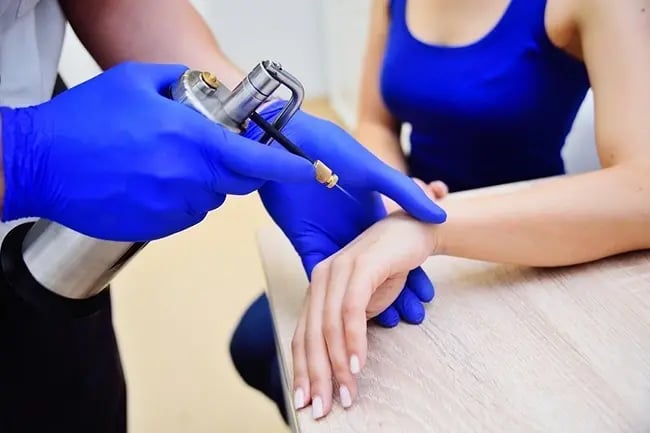
Warts are one of the most common skin conditions affecting both children and adults. Although they are usually harmless, they can become uncomfortable, spread to nearby skin, or affect confidence—especially when located on visible areas such as the hands, face, or feet.
One of the most effective and widely used wart treatments is cryotherapy, a minimally invasive procedure that freezes and destroys wart tissue.
At the DRHC Dermatology Department in Dubai, cryotherapy is commonly used to safely treat different types of warts using modern dermatology techniques and personalized care.
What Are Warts?
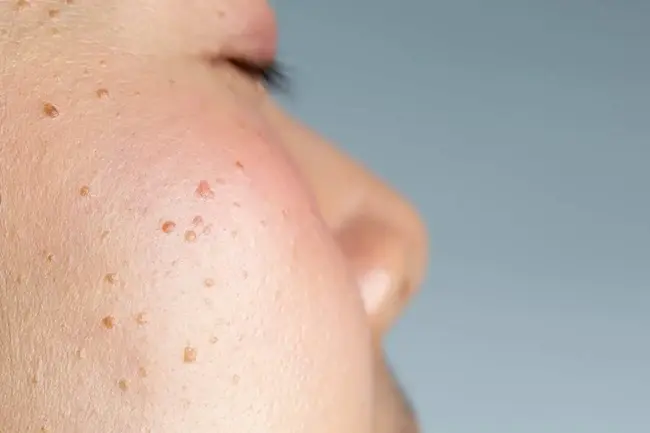
Warts are small skin growths caused by the human papillomavirus (HPV). The virus infects the outer layer of the skin, leading to thickened, rough growths that may appear individually or in clusters.
Common types of warts include:
- Common warts on the hands and fingers
- Plantar warts on the feet
- Flat warts on the face or body
- Filiform warts around the mouth or nose
Because warts are viral, they can sometimes spread to other areas of the body or to other people through skin contact.
What Is Cryotherapy for Warts?
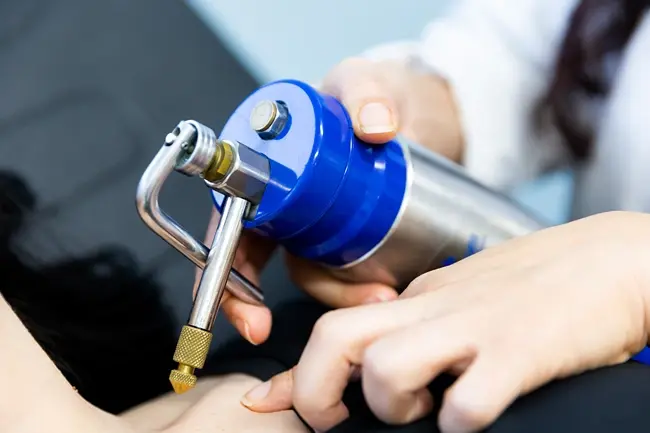
Cryotherapy is a dermatology treatment that uses extreme cold—usually liquid nitrogen—to freeze and destroy wart tissue.
The freezing process damages the infected skin cells, allowing the wart to gradually dry out and fall away as healthy skin replaces it.
Cryotherapy is considered one of the most effective minimally invasive treatments for many common warts.
How Successful Is Cryotherapy for Warts?
Cryotherapy has high success rates for many wart types, especially when treatment begins early.
Success depends on several factors, including:
- The type of wart
- The size and depth of the wart
- The location on the body
- How long the wart has been present
- The patient’s immune response
Some warts respond quickly, while stubborn or long-standing warts may require multiple sessions.
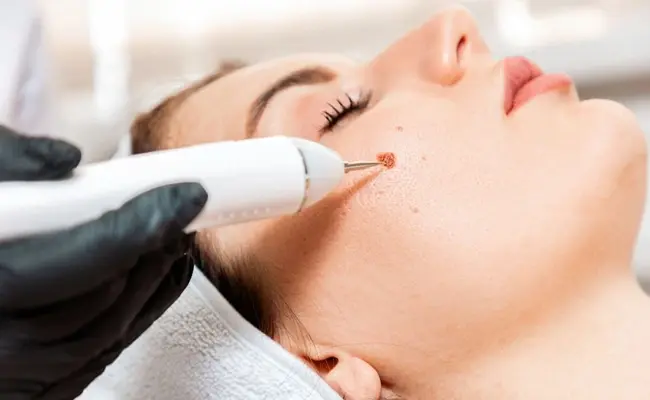
Patients seeking additional treatment options may also benefit from skin tag and wart removal treatments available at DRHC Dubai.
How Many Cryotherapy Sessions Are Needed?
The number of sessions varies depending on the wart type and response to treatment.
- Small warts may clear after 1–2 sessions
- Larger or deeper warts may require several treatments
- Plantar warts on the feet often need additional sessions due to thicker skin
Treatments are usually spaced several weeks apart to allow proper healing between sessions.
What Happens During the Procedure?
Cryotherapy is typically performed during a regular dermatology visit.
- The wart is examined carefully
- Liquid nitrogen is applied directly to the lesion
- The wart freezes for several seconds
- The damaged tissue gradually breaks down over time
The procedure itself is usually very quick.
Is Cryotherapy Painful?
Most patients experience only mild to moderate discomfort during treatment.
You may feel:
- A cold sensation
- Temporary stinging or burning
- Mild tenderness afterward
We understand that treatment on sensitive areas—especially the feet or fingers—can feel intimidating. Fortunately, the discomfort is usually brief and manageable for most patients.
What to Expect After Cryotherapy
After treatment, the skin may go through several normal healing stages.
Common Temporary Reactions
- Redness
- Mild swelling
- Blistering
- Scabbing
- Tenderness
The wart usually dries out and gradually separates from the skin over the following days or weeks.
Recovery After Wart Cryotherapy
Most patients recover quickly and can return to normal activities immediately after treatment.
To support healing:
- Keep the area clean
- Avoid picking at blisters or scabs
- Protect the area from irritation
- Follow aftercare instructions carefully
Healing time varies depending on the treatment area and wart size.
Can Warts Come Back After Cryotherapy?
Yes, recurrence is possible because warts are caused by a virus.
Even after successful treatment, new warts can occasionally develop if the virus remains active in the skin.
Early treatment and proper follow-up help improve long-term outcomes.
When Should You See a Dermatologist?
You should seek medical evaluation if:
- The wart becomes painful
- It spreads rapidly
- Home treatments are unsuccessful
- The diagnosis is uncertain
- You have diabetes or reduced immunity
Some skin lesions may resemble warts but require different treatment approaches. In certain situations, additional assessment, such as skin cancer screening, may be recommended.

Learn more about our Editorial Process.
Topic: Dermatology Cryotherapy



Leave a comment