


When prostate symptoms continue despite treatment, choosing a procedure can feel confusing. Steam, laser, waterjet, and implant-based treatments all appear in searches, often with claims that one is the newest or best. A useful discussion starts with your prostate and your priorities. The procedure that suits someone else may not be the right match for your urinary symptoms.
First, establish what needs treating
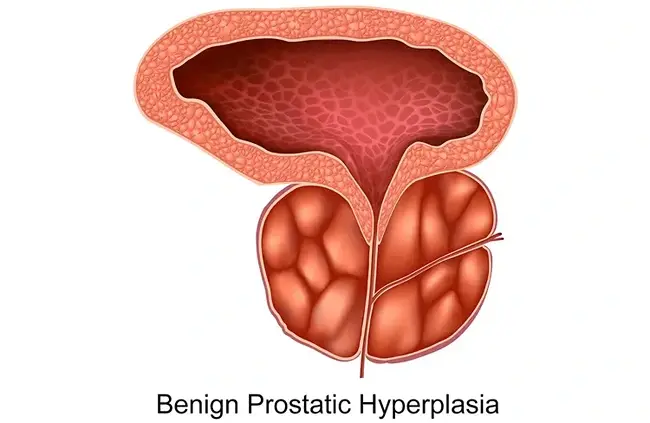
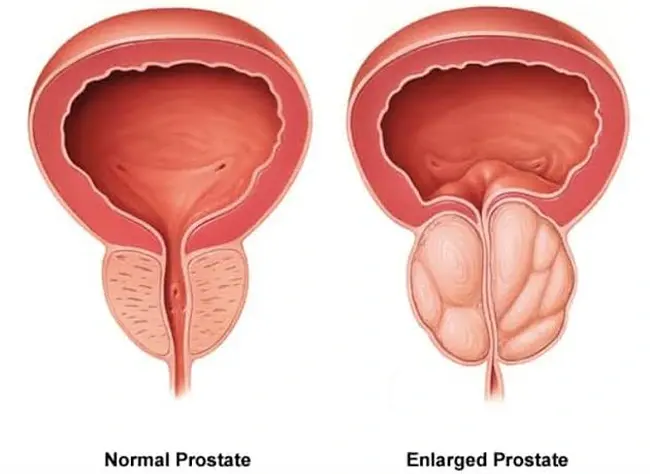
The doctor considers prostate size and shape, urine flow, bladder emptying, and whether there have been infections or episodes of retention. Bladder function matters too: removing an obstruction does not necessarily address every cause of frequency or urgency. Previous operations, medicines, and general health help determine which options deserve a detailed discussion and which are unlikely to be suitable.
Less invasive options
Rezum delivers steam to selected prostate tissue, which then shrinks gradually. UroLift uses small implants to hold obstructing tissue apart in suitable anatomy. These approaches may appeal to men who prioritise a particular recovery pathway or ejaculation preservation. They work differently, and neither should be chosen from a short description alone. The consultation should explain what the treatment involves and what follow-up will be needed.
Procedures that remove obstructing tissue
TURP removes tissue through an instrument passed along the urinary passage. HoLEP uses a laser to separate and remove the enlarged inner part of the prostate. GreenLight treatment vaporises tissue, while Aquablation uses a guided waterjet. These are distinct techniques rather than different brand names for the same operation. Prostate anatomy and the experience of the treating team influence the choice.
Think about recovery in practical terms
Ask whether a catheter is expected, when it is usually removed, and how treatment fits around work or caring responsibilities. Recovery advice differs according to the procedure and your circumstances. Some improvements are gradual, while other procedures relieve the blockage more directly. These practical details may matter more to daily life than the advertised length of the operation itself.
Include sexual wellbeing in the conversation
Erections and ejaculation are different functions. Some prostate procedures can change ejaculation even when erections remain possible. Mention plans for future children and any sexual concerns before treatment is selected. The doctor can explain these issues in a way that is relevant to you, without relying on a single headline percentage or the assumption that every procedure affects everyone in the same way.
Making a shared choice
There is usually time to ask questions and compare appropriate options, unless an urgent problem needs attention. At DRHC, Dr. Mansour Masoumi, Specialist Urologist, can review your symptoms and investigations and explain the options available through the clinic. The final decision follows a complete individual assessment, including the expected benefit, recovery, personal priorities, and the details that need discussion before a procedure.
Disclaimer
This article provides general information and does not replace a medical consultation. Do not use it to diagnose yourself or start, stop, or change treatment. Your doctor should guide decisions after an individual assessment.

Learn more about our Editorial Process.
Topic: Urology Blogs



Leave a comment