

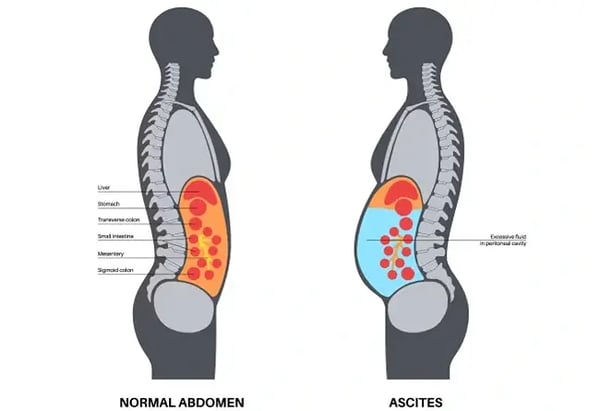
Abdominal swelling can be uncomfortable and understandably worrying, especially when you are told that it may be caused by ascites. Ascites is a buildup of fluid inside the abdomen. It can occur for several reasons, including advanced liver disease, heart problems, certain cancers, and other medical conditions.
One procedure doctors may recommend is paracentesis. This involves gently removing some of the abdominal fluid with a thin needle. It can be used to find the cause of ascites, relieve significant discomfort, or both.
What Is Ascites?
Ascites is an abnormal collection of fluid in the space around the abdominal organs. As the amount of fluid increases, the abdomen may become visibly swollen or feel tight and uncomfortable.
Some people may also notice:
- A feeling of fullness or pressure in the abdomen
- Rapid increase in abdominal size or body weight
- Shortness of breath when the abdomen becomes very distended
- Reduced appetite or feeling full after eating small amounts
- Swelling of the legs or ankles
What Can Cause Ascites?
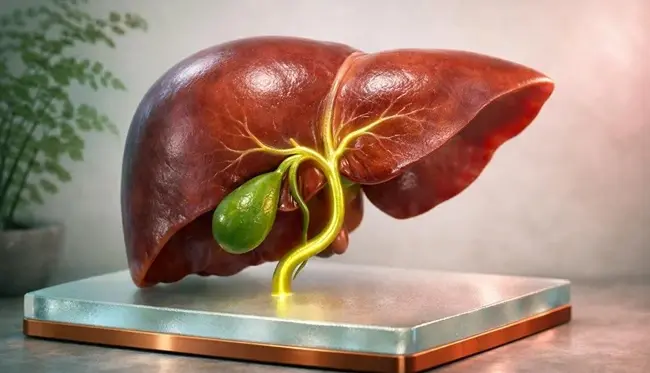
Liver disease is a common cause of ascites, particularly when advanced liver scarring affects normal blood flow through the liver. However, ascites is not always caused by the liver.
Other possible causes include:
- Heart failure
- Kidney-related conditions
- Certain cancers
- Infections affecting the abdomen
- Inflammation of abdominal organs
Finding the underlying cause is important because treatment depends on what is causing the fluid buildup.
What Is Paracentesis?
Paracentesis is a procedure in which a doctor inserts a thin needle or catheter through the abdominal wall to remove a sample of fluid or drain a larger amount.
There are two main reasons for performing it:
- Diagnostic paracentesis: A small amount of fluid is collected and sent for laboratory testing to help determine why ascites has developed.
- Therapeutic paracentesis: A larger amount of fluid is removed to reduce abdominal pressure and improve symptoms.
When May Paracentesis Be Recommended?
Your doctor may recommend paracentesis when ascites is newly diagnosed, the cause is uncertain, or the amount of fluid is causing significant symptoms.
It may also be considered when there is concern about an infection in the abdominal fluid. This is particularly important because an infection can sometimes develop without obvious abdominal pain or fever.
For people with severe or recurrent ascites, therapeutic paracentesis may provide relief when the abdomen becomes very tense or uncomfortable.
What Happens During the Procedure?
Paracentesis is generally performed using a local anaesthetic to numb the area. The skin is cleaned, and a small needle or catheter is carefully placed into the abdominal cavity.
Depending on the purpose of the procedure, the doctor may remove a small sample or drain a larger volume of fluid. Ultrasound guidance may be used when appropriate to help identify a suitable and safe location.
The procedure is usually monitored carefully, and your medical team will determine whether you need observation afterward.
Is Paracentesis Painful?
Most patients experience little more than pressure or brief discomfort because the area is numbed with a local anaesthetic. If you are anxious about the procedure, discuss your concerns with your medical team beforehand so that appropriate measures can be taken to keep you comfortable.
What Happens to the Fluid After Paracentesis?
When paracentesis is performed to investigate the cause of ascites, the fluid may be sent for laboratory analysis. Testing can provide information about:
- Possible infection
- Signs of inflammation
- Protein levels and other characteristics of the fluid
- Possible underlying causes of the fluid accumulation
The results are considered together with your symptoms, blood tests, and imaging studies.
Can Ascites Come Back After Paracentesis?
Yes. Paracentesis removes the fluid that is already present, but it does not necessarily treat the underlying reason why the fluid developed.
If ascites is related to chronic liver disease or another ongoing condition, your doctor may recommend additional treatment to reduce the risk of fluid returning. Management may include dietary measures, medication, treatment of the underlying disease, or repeated drainage in selected cases.
When Is Abdominal Swelling an Emergency?
Seek urgent medical attention if abdominal swelling is accompanied by fever, severe abdominal pain, confusion, vomiting, difficulty breathing, fainting, or a sudden worsening of your condition.
These symptoms can sometimes indicate complications that require prompt assessment.

Learn more about our Editorial Process.
Topic: Gastroenterolgy



Leave a comment