

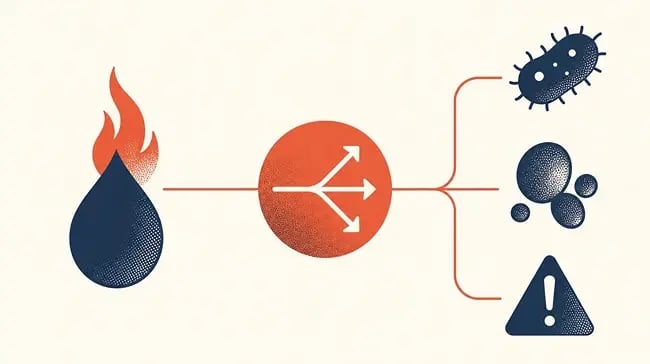
A stinging feeling when you pass urine can interrupt an otherwise ordinary day. You may find yourself looking for a toilet repeatedly, only to pass a small amount each time. A urinary tract infection, often shortened to UTI, is one possible explanation. However, burning does not always mean infection, and knowing what else is happening helps your doctor decide which checks you need.
What a UTI can feel like
A bladder infection commonly causes burning, urgency, and discomfort in the lower abdomen. Urine may look cloudy or contain blood. Some people notice a change in smell, although smell alone is not enough to diagnose a UTI. The urinary tract also includes the kidneys and the tubes carrying urine, so the location and pattern of symptoms matter when describing how you feel.
What happens at the appointment
Your doctor will ask when symptoms began, whether you have had previous infections, and which medicines you take. A urine sample may be checked for signs of inflammation and, when needed, sent for a culture to identify bacteria. Tell the team if you have already taken antibiotics, because this can affect the result. Scans are usually reserved for situations where the history suggests another problem.
When to seek prompt help
Fever, shivering, pain in the side or back, vomiting, or feeling generally very unwell need prompt assessment. These symptoms may mean the infection involves more than the bladder. Pregnancy, difficulty passing urine or symptoms in someone with a weakened immune system also change the urgency of care. Do not wait for an online answer if you are becoming rapidly unwell.
Preparing for a useful consultation
Write down the main changes you have noticed, any recent treatment, and whether symptoms returned after it. Bring previous urine results if available. Your doctor can then explain whether this looks like a straightforward infection or whether another cause needs attention. An assessment with Dr. Mansour Masoumi, Specialist Urologist, through DRHC can help establish the cause. Treatment is chosen after the history, examination, and appropriate tests are considered together.
Disclaimer
This article provides general information and does not replace a medical consultation. Do not use it to diagnose yourself or start, stop, or change treatment. Your doctor should guide decisions after an individual assessment.

Learn more about our Editorial Process.
Topic: Urology Blogs





Leave a comment