

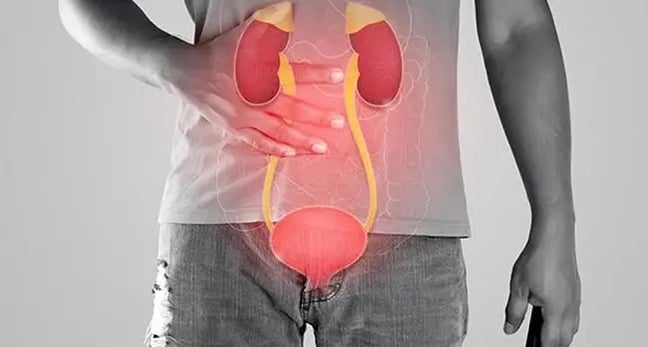
A urethral stricture is a narrowed section of the tube carrying urine out of the body. Scar tissue reduces the space available for urine to pass. A weak stream can be a clue, but prostate enlargement, bladder weakness, and other problems can produce similar symptoms. The assessment needs to establish whether a narrowing exists, where it lies, and how much it matters.
Recognise the pattern without diagnosing yourself
Symptoms can include a slow or spraying stream, straining, prolonged urination, dribbling afterwards or a feeling of incomplete emptying. Some people develop recurrent infections or difficulty having a catheter inserted. Symptoms can change gradually and become accepted as normal. Explain practical effects, such as avoiding travel or reducing drinks, because these adaptations can conceal how much difficulty the narrowing is actually causing.
Earlier events can explain the scar
Tell the clinician about pelvic or straddle injuries, previous catheterisation, urinary procedures, radiotherapy, and urethral infections. Skin conditions such as lichen sclerosus can affect the urinary opening and urethra. Sometimes, no definite cause is found. Bring operation reports and dates of previous dilatations, because earlier treatment can affect both the anatomy and the timing of further investigation or reconstructive surgery.
Start with straightforward checks
Examination and urine testing help assess the urinary opening, associated skin changes, and possible infection. Uroflowmetry records the speed and pattern of urination, while a bladder scan measures the urine left afterwards. These are useful pieces of evidence rather than a diagnosis on their own. A low flow may reflect narrowing, weak bladder contraction, or a bladder that was not sufficiently full for a meaningful test.
Map the urethra when needed
A flexible camera can show narrowing directly, although it may not pass through a tight scar or establish its full length. A urethrogram uses contrast and X-rays to outline the tube and guide treatment planning. Additional imaging or bladder-function testing is selected for a particular question rather than offered automatically. Ask how each investigation could change the choice between observation, endoscopic treatment, and reconstruction.
Make drainage and follow-up safe
Inability to pass urine, especially with lower abdominal pain, needs urgent assessment. Fever, shaking, chills, or marked illness with urinary symptoms also needs urgent care. Tell emergency staff about a known stricture and previous difficult catheterisation; repeated forceful attempts can injure the urethra. A safe plan explains who reviews results, whether bladder drainage is needed, and what to do if the stream worsens while waiting.
Discuss your next step
A consultation with Dr. Mansour Masoumi, Specialist Urologist, through DRHC can help you establish the cause of a weak stream and map any narrowing before choosing treatment. The final treatment is chosen after an individual assessment and discussion of your preferences. Bring previous results and a medicine list so the advice can be based on your own circumstances.
Disclaimer
This article is for education and does not replace a medical consultation. Do not use it for self-diagnosis or self-treatment, or to start, stop, or change medicines. Your doctor should guide care after considering your symptoms, medical history, and individual circumstances.

Learn more about our Editorial Process.
Topic: Urology Blogs



Leave a comment