

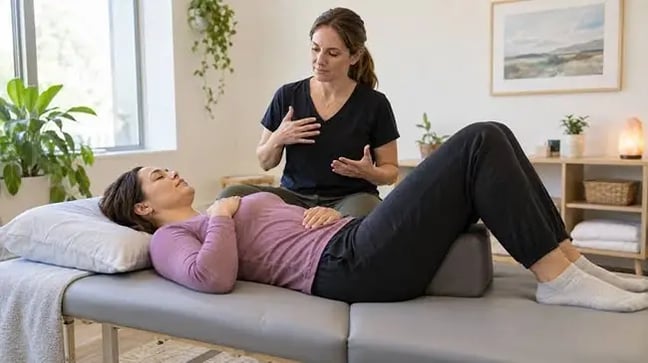
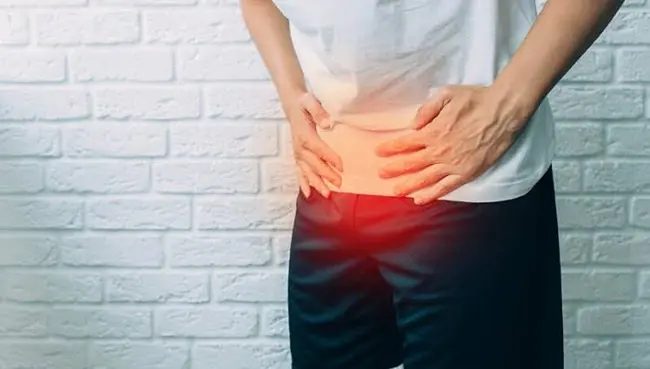
Daily habits can make persistent pelvic pain easier to manage, although there is no universal list of forbidden foods or activities. Self-care works best after an assessment has considered infection and other specific causes. The aim is to reduce avoidable irritation, improve comfortable movement, and build a manageable routine, with professional support when symptoms interfere with ordinary life.
Look for patterns rather than rules
A short diary may reveal whether prolonged sitting, cycling, constipation, or a particular drink repeatedly worsens symptoms. Try one manageable change at a time so you can tell what helps. Avoid removing whole food groups on the basis of one bad day. Pain naturally fluctuates, and a helpful plan should preserve nutrition, activity, and social life rather than make them increasingly restricted.
Give the pelvic floor a chance to relax
Pelvic floor muscles can be overactive or poorly coordinated as well as weak. Repeated strengthening exercises may therefore be unsuitable for someone with pain and tension. A physiotherapist experienced in pelvic health can assess relaxation, movement, and muscle tenderness. Treatment may involve breathing, gentle mobility, and individually selected techniques. Exercises should be explained clearly and should not require you to push through worsening pain.
Break up sitting and pace activity
Short movement breaks, a comfortable seat, and adjustments to work or driving can reduce sustained pressure. If cycling reliably triggers pain, review the saddle, position, or temporary alternatives rather than assuming you must stop exercising permanently. Gradual activity is generally easier to sustain than alternating complete rest with strenuous sessions. Discuss persistent exercise-related pain before treating it as a simple posture problem.
Include sleep, bowel habits, and intimacy
Regular sleep routines and addressing constipation can support the wider plan. Avoid straining to empty the bladder or bowel. Sexual activity can be adjusted according to comfort, and communication may reduce pressure to continue through pain. Psychosexual support or pain-management strategies can help when worry and avoidance become part of the problem. These approaches work alongside medical care rather than suggesting the symptoms are merely emotional.
Know the boundary of self-care
Warmth may feel soothing, but avoid burns, very hot baths, or unregulated devices. Ask which pain medicines are safe with your other treatment rather than taking them indefinitely. Review symptoms if a reasonable trial of changes is not helping. Fever, new bleeding, inability to pass urine, or a new scrotal lump need assessment; sudden severe testicular pain requires emergency care, even with a history of pelvic pain.
Discuss your next step
A consultation with Dr. Mansour Masoumi, Specialist Urologist, through DRHC can help you review triggers and build a self-care plan that supports comfortable activity without unnecessary restriction. The final treatment is chosen after an individual assessment and discussion of your preferences. Bring previous results and a medicine list so the advice can be based on your own circumstances.
Disclaimer
This article is for education and does not replace a medical consultation. Do not use it for self-diagnosis or self-treatment, or to start, stop, or change medicines. Your doctor should guide care after considering your symptoms, medical history, and individual circumstances.

Learn more about our Editorial Process.
Topic: Urology Blogs



Leave a comment