

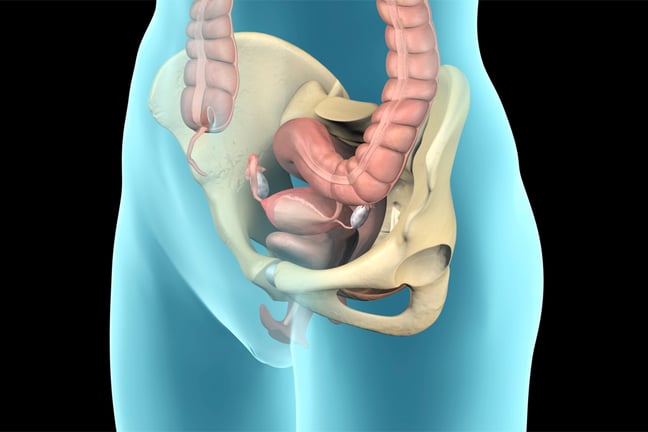
A vaginal bulge or a dragging sensation can be a sign of pelvic organ prolapse. This happens when the tissues supporting the pelvic organs allow a vaginal wall, the womb or the top of the vagina to descend. The symptoms can be mild, intermittent or troublesome during ordinary activities. An examination helps establish what is happening and which options match your needs.
Different areas can be involved
An anterior wall prolapse involves the wall supporting the bladder; a posterior wall prolapse involves the wall towards the bowel. The womb or vaginal vault after hysterectomy can also descend. More than one area may be affected. These descriptions explain anatomy, but the treatment decision also depends on discomfort, bladder and bowel function, sexual activity and what you would like to improve.
Symptoms to describe
A bulge may be more noticeable after standing, lifting or towards the end of the day. Some women notice pressure, difficulty emptying, constipation or changes during sex. Others have a prolapse found incidentally and little discomfort. Tell your clinician which symptoms are most limiting. Not every bladder or bowel symptom is caused by the prolapse, so a repair should not be expected automatically to resolve everything.
What an examination involves
The clinician usually examines the vagina, sometimes asking you to cough or bear down, to see which areas descend. You may be examined in a different position if the usual bulge is not apparent. The examination is explained beforehand, with your agreement and a chaperone available. A staging description records the findings; it is a guide to anatomy rather than a score of how much treatment you must have.
Choices beyond an operation
If symptoms are minimal, observation and advice may be sufficient. Supervised pelvic floor training can help selected women, and a fitted vaginal pessary can provide support. Managing constipation, persistent cough and uncomfortable lifting can reduce strain. Vaginal oestrogen may help menopausal dryness or irritation, although it does not repair stretched support tissues. Treatment can be reviewed if your symptoms or priorities change.
When specialist treatment is useful
Surgery becomes an option when symptoms remain bothersome or conservative care is unsuitable. Future pregnancy, previous repairs, and preferences about implants influence planning. Seek prompt assessment for unexplained vaginal bleeding, new severe pain, or a change that seems unlike your usual prolapse symptoms. Complete inability to pass urine needs urgent care. A new vaginal lump should be examined rather than diagnosed from an online description.
Arrange an individual review
A consultation through DRHC with Dr. Mansour Masoumi, Specialist Urologist, can help put these options into the context of your symptoms, health and priorities. Bring previous reports and a list of medicines, including non-prescription products. The final treatment is chosen after individual assessment and discussion of the options appropriate for you.
Disclaimer
This article is for education only and does not replace medical advice. It is not intended for self-diagnosis or self-treatment. Do not start, stop, or change treatment on the basis of this information; discuss your own care with a qualified clinician.

Learn more about our Editorial Process.
Topic: Urology Blogs





Leave a comment