


A foreskin trapped behind the head of the penis is called paraphimosis. The exposed head and skin may swell, making the foreskin harder to return. This requires urgent medical treatment, even if your child can still pass urine. Do not wait for a routine appointment or continue repeated painful attempts to pull it into position.
Recognising the urgent problem
Paraphimosis differs from an unretractable foreskin that remains covering the head. It can follow washing, examination, or a catheter procedure when retracted skin is not replaced. Pain and swelling can increase as the tight ring restricts circulation. Blue, dark, or black colour is particularly concerning. Go to an emergency service promptly; online images or a telephone discussion should not delay examination.
What urgent treatment may involve
The medical team assesses circulation, gives appropriate pain relief, and may carefully reduce swelling before returning the foreskin. Many cases can be corrected without an operation. If this fails or tissue is threatened, an urgent incision may be needed. The approach depends on what the clinician finds; do not apply tight bandages, use tools, or attempt a home cutting procedure.
Does an episode mean circumcision?
Not automatically. After recovery, the clinician checks whether there is an underlying tight ring, scarring, or another reason to consider definitive treatment. Gentle hygiene and remembering to replace retractable skin are central to prevention. A planned follow-up is different from emergency treatment. Ask whether any temporary restrictions apply and when normal washing can resume without provoking further discomfort.
Elective foreskin surgery
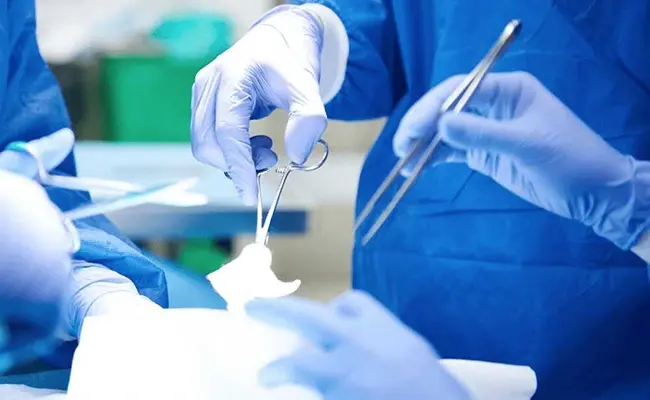
Circumcision removes the foreskin. A foreskin-preserving procedure may widen the tight opening in selected cases, but narrowing can recur, and it may be unsuitable in cases of significant scarring. Surgery may be considered for persistent symptomatic phimosis, repeated troublesome inflammation, or lichen sclerosus. The surgeon should explain why the proposed option fits the diagnosis and how it compares with prescribed cream or observation.
Planning and recovery
Elective surgery in children usually requires anaesthetic assessment and clear fasting instructions. Discuss bleeding, infection, discomfort, and the expected appearance during healing, without relying on photographs taken at different recovery stages. Follow instructions for dressings, washing, pain relief, and activity. Seek urgent advice for inability to pass urine, uncontrolled bleeding, worsening severe pain, or a very unwell child. Persistent redness, discharge, or fever also needs medical review.
Your child's next step
A consultation through DRHC with Dr. Mansour Masoumi, Specialist Urologist, can help clarify your child’s findings and arrange the appropriate paediatric specialist pathway. Bring previous reports and a list of your questions. The final treatment is chosen after individual assessment, with the child’s age, symptoms, and family circumstances taken into account.
Disclaimer
This article is educational and does not replace a medical consultation. Do not use it for self-diagnosis or self-treatment, or to start, stop, or change your child’s medicines. Follow the advice from the clinician responsible for your child’s care.

Learn more about our Editorial Process.
Topic: Urology Blogs



Leave a comment