


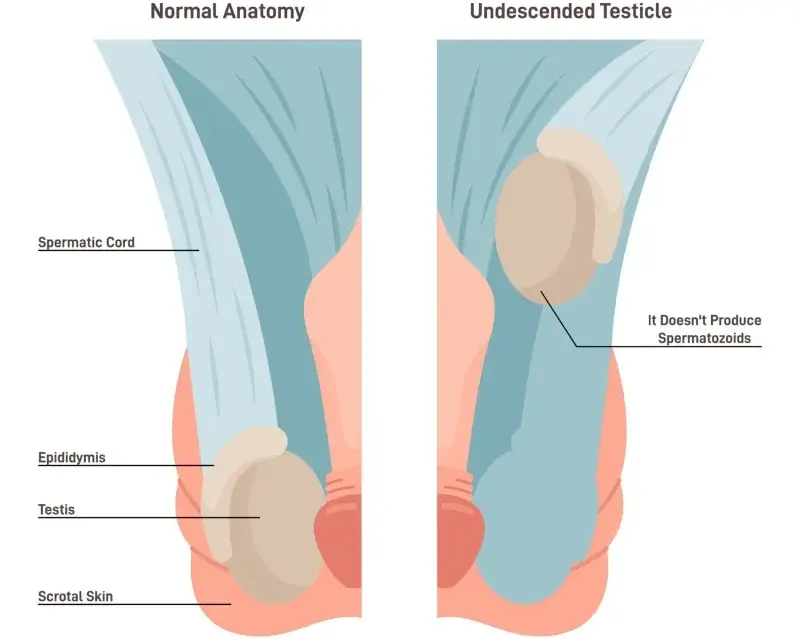
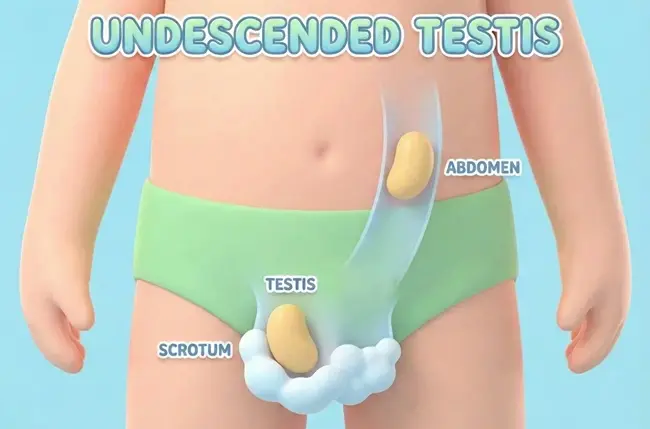
Orchidopexy is an operation to place an undescended testicle in the scrotum. For parents, the practical questions are often straightforward: what will happen on the day, how will their child feel afterwards, and what follow-up is needed? The answers depend partly on where the testicle is located.
Planning the operation
The surgeon reviews the examination and explains whether the testicle can be felt in the groin. A higher testicle that cannot be felt may need a keyhole examination of the abdomen. Occasionally, treatment is planned in stages. The team will discuss the expected approach before surgery and explain any decisions that may depend on what is found during the operation.
What happens on the day?
Children usually have a general anaesthetic, so they are asleep during the procedure. The surgeon releases the testicle and its attachments sufficiently to position it comfortably in the scrotum. A groin opening may also be closed if present. Many children go home the same day once they have recovered adequately, although individual circumstances can change this arrangement.
Getting ready at home
Follow the hospital's instructions about eating, drinking, and regular medicines before anaesthesia. Tell the team about fever, cough, recent illness, or a previous anaesthetic problem. Bring comfortable clothing and something familiar for your child. Ask in advance about transport home, who should remain with the child, and whether any paperwork or previous results are needed.
The first days afterwards
Some tenderness, swelling, or bruising can be expected. The team will provide a child-specific pain-relief plan and advice about bathing, nappies, and wound care. Quiet activities are usually easier initially. Bikes, straddle toys, sports, and rough play may need to wait until the surgeon permits them. Follow the written plan rather than comparing recovery with another child's operation.
Why the review appointment matters
The follow-up examination checks healing, testicular position, and growth. Bringing the testicle down does not mean its history should disappear from future medical records. As your child grows, the team can explain age-appropriate awareness and follow-up. Contact the surgical service for increasing pain, fever, or concerning wound changes; sudden, severe scrotal pain always needs urgent assessment.
Long-term health
Early orchidopexy supports fertility potential and reduces, but does not eliminate, the later risk of testicular cancer. Future fertility also depends on whether one or both testicles were affected and other individual findings. Keep the operation history available for future health reviews.
Planning your child's care
At DRHC, Dr. Mansour Masoumi, Specialist Urologist, can help families understand the diagnosis and arrange suitable paediatric surgical care. Whether surgery is needed, its approach, and the follow-up schedule are decided after individual assessment. Before leaving the consultation, make sure you know the next appointment and who to contact about recovery questions.
Disclaimer
This article is for education only and does not replace medical advice. It is not intended for self-diagnosis or self-treatment. Do not start, stop, or change treatment based on this information; discuss your care with a qualified clinician.

Learn more about our Editorial Process.
Topic: Urology Blogs



Leave a comment