

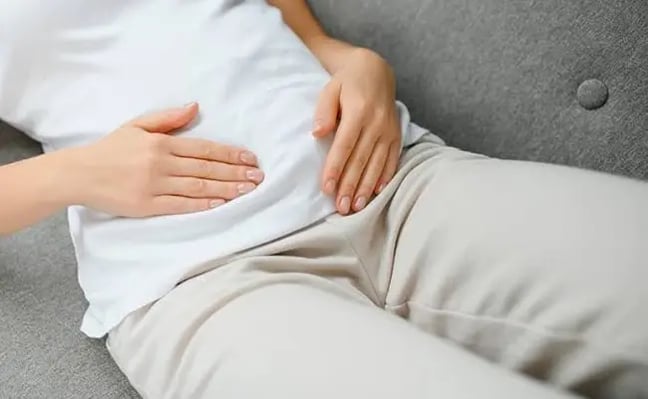
Daily management of bladder pain works best when it is specific enough to follow and flexible enough to fit your life. A flare can affect sleep, meals, travel and intimacy, but large restrictions may create new difficulties. Start with a confirmed assessment and an agreed care plan. The purpose of tracking symptoms is to find useful patterns, rather than to monitor every sensation continuously.
Look for a pattern before making restrictions
A brief record can include discomfort, drinks, meals, bowel movements, and activities around a flare. Change one suspected trigger at a time, then review whether the change helped. Coffee, alcohol or acidic foods trouble some people, but there is no universal prohibited-food list. Avoid removing many food groups without guidance. A dietitian can help if food choices are becoming narrow or weight is changing.
Discuss drinking and toilet timing
Severely restricting fluid may worsen constipation and leave you dehydrated, particularly in hot weather. Drinking large amounts quickly can also make symptoms harder to manage. Discuss an intake suited to your health and activity. If bladder training is suggested, it should be adapted to pain: forcing yourself to endure marked discomfort is not the aim. Review the plan if attempts consistently trigger a flare.
The pelvic floor may need to relax
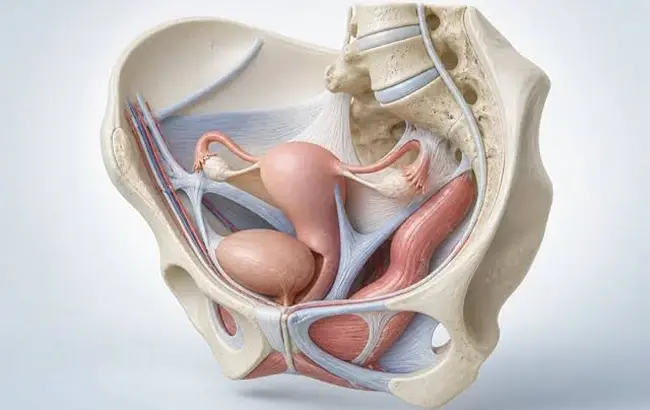
A painful pelvic floor is not automatically a weak pelvic floor. Some muscles remain tense and have difficulty relaxing, which can contribute to pain and troublesome urination. A specialist physiotherapist can assess this and may use relaxation, breathing, movement or hands-on treatment with your consent. Repeated strengthening exercises without assessment may be unsuitable when muscle tension is part of the problem.
Plan activity, rest, and intimacy
Gentle movement and manageable activity can be built around your response rather than a fixed exercise target. Discuss positions or activities that repeatedly provoke pain, including sexual activity. Sleep routines and relaxation techniques can be useful parts of care. Psychological support, when helpful, offers ways to manage the effects of persistent pain; recommending it does not establish that the symptoms have a psychological cause.
Have a written flare plan
Agree on which previously prescribed measures you can use, when to contact the team, and which changes need new testing. Keep contact details available when travelling and ask how follow-up will work. Report visible blood or a new pain pattern. Fever, flank pain, or marked illness needs prompt assessment; complete inability to pass urine needs urgent care. A flare label should never prevent assessment of a different problem.
Arrange an individual review
A consultation through DRHC with Dr. Mansour Masoumi, Specialist Urologist, can review your symptoms, earlier results, and priorities. Bring your medicine list and any bladder diary. Ask which findings explain the proposed plan and how its effect will be checked. The final treatment is chosen after individual assessment and a discussion of the options appropriate for you.
Disclaimer
This article is for education only and does not replace medical advice. It is not intended for self-diagnosis or self-treatment. Do not start, stop, or change treatment based on this information; discuss your care with a qualified clinician.

Learn more about our Editorial Process.
Topic: Urology Blogs



Leave a comment