

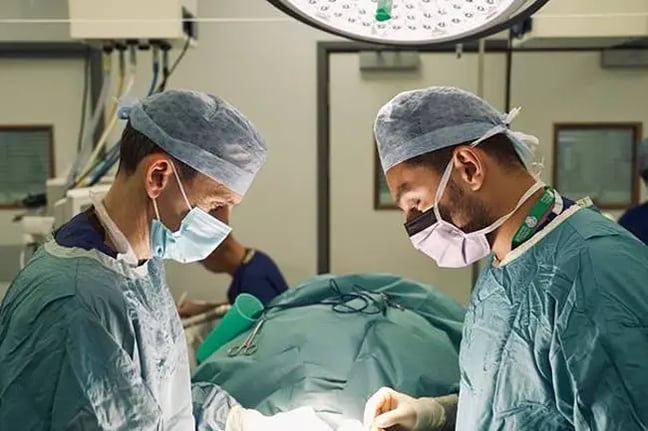
The journey starts before the operating room
Preparing for Himplant surgery involves more than choosing a date. You need to understand the proposed device, why it is being considered, the expected change, and how care will continue if healing is difficult. Because this is cosmetic surgery, there is usually time to ask questions and consider alternatives. A useful plan identifies the surgeon, operating facility, anaesthesia arrangements, and follow-up team. A consultation through DRHC should clarify those details rather than leaving you to assume that every stage takes place in the consultation clinic itself.
Confirm what you are agreeing to
Himplant is a cosmetic silicone sleeve placed beneath the penile skin, outside the erectile bodies. It is not an erectile dysfunction prosthesis, and it cannot promise longer erections or enhanced sexual performance. The EAU considers subcutaneous cosmetic penile implants experimental and recommends against their use for girth enhancement. SMSNA recommends research oversight for silicone sleeve procedures. Before preparation begins, ask how these positions apply to the proposed care and ensure that the evidence limitations, alternatives, and potential need for revision or removal have been explained clearly.
Medical history and individual checks
The team will review previous operations or fillers, allergies, skin or urinary symptoms, general health, and any history of bleeding, blood clots, or anaesthetic difficulties. Mention sleep apnoea and bring an accurate medicine list, including supplements and non-prescription products. The necessary tests depend on your health and the anaesthetic plan; an identical package of tests is not required for everyone. New redness, fever or another illness before surgery should be reported promptly so the team can decide whether the operation should be postponed.
Medicines, smoking, and preparation at home
Ask for written instructions about regular medicines, including anticoagulants and diabetes treatments, and who has agreed to any changes. Do not stop them independently. Discuss nicotine use honestly and ask for help with cessation where needed. Follow the facility's fasting instructions precisely rather than copying advice from another patient. Arrange transport and a responsible adult to support you after anaesthesia, with suitable accommodation if travelling. Preparing comfortable clothing, time away from work, and access to the follow-up team can make the practical recovery more manageable.
How the device is placed
The surgeon creates an incision and a pocket under the skin to position the silicone sleeve around part of the shaft. Current manufacturer information describes an upper-scrotal incision; older publications may describe different approaches. Ask which method is proposed for you and why. Device size and contour should be selected according to anatomy and tissue safety rather than a request for the largest option. The method of securing the sleeve, wound closure, and any drain or dressing should be explained by the team using the actual proposed technique.
Anaesthesia and discharge
Your anaesthesia clinician should explain the method appropriate to you and the facility, together with fasting, monitoring, and recovery arrangements. Do not assume that an online description fixes the anaesthetic method or length of stay for every patient. Discharge depends on your condition, pain control, and the team's assessment. Before leaving, you should know how to use prescribed medicines, what to do with dressings or a drain, how to obtain urgent help, and when you will be reviewed. Ask for written instructions that you can refer to at home.
Plan for recovery rather than a deadline
Sex, masturbation, heavy lifting, and strenuous exercise need to wait until your surgeon confirms that healing is adequate. Desk work may become manageable earlier than physical work, but an advertised recovery time is not a guarantee. Tell the team about sport, long commutes, childcare, and any job that places pressure or friction on the area. If you are travelling for treatment, discuss how long to stay nearby and when flying is appropriate for your individual circumstances. Build flexibility into plans in case extra review is needed.
Know the route to help before surgery
Infection, fluid collections, skin pressure or exposure, scarring, and uncomfortable contour can require additional treatment. Removal is possible, but it does not guarantee a return to the original appearance or function. Ask who would manage a problem, where further surgery would occur, and which expenses are covered. Fever, spreading redness, increasing pain, discharge, or a wound opening need prompt contact; inability to pass urine or rapidly worsening symptoms require urgent assessment. Having these arrangements written down makes the decision and subsequent care more practical.
Prepare questions for the preoperative visit
Make sure you can explain the proposed operation back in your own words, including the intended change and the main reasons another operation might become necessary. If the plan changes after examination, ask for updated instructions. Consent to an earlier outline should not leave you uncertain about the procedure actually proposed.
Your next step through DRHC
A consultation with Dr. Mansour Masoumi, Specialist Urologist, through DRHC provides an opportunity to discuss your anatomy, health, priorities, and alternatives privately. Bring your questions and any previous treatment records. The final treatment choice follows individual assessment and a discussion of the evidence, practical arrangements, and your preferences; attending a consultation does not commit you to surgery.
Disclaimer: This article is educational and does not replace medical advice. Do not use it for self-diagnosis, self-treatment, or choosing a procedure without assessment. Your doctor should guide decisions about your individual care.

Learn more about our Editorial Process.
Topic: Urology Blogs Himplant





Leave a comment