

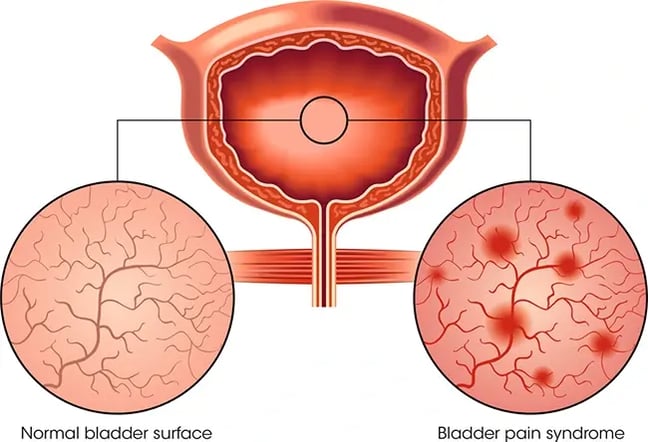
Bladder pain treatment should follow the pattern found at assessment, including whether pelvic muscles are painful and whether particular bladder lesions are present. There is no single medicine or procedure that reliably resolves every case. A useful plan explains the intended benefit, important side effects, how long a trial should last and when to reconsider the approach. Several treatments may be combined or introduced in stages.
Begin with a clear treatment target
Agree what would count as worthwhile improvement: pain intensity, fewer interrupted nights or greater ability to work or travel. Daily habits and appropriate pelvic physiotherapy remain relevant when medicines are introduced. If the plan is not helping, review both its tolerability and the diagnosis. Repeating a treatment indefinitely because it was initially prescribed is less useful than a documented decision about the next step.
Medicines need individual selection
Oral treatment may include a medicine that alters pain signalling, such as amitriptyline, rather than an antibiotic. Sleepiness, dry mouth, constipation and other effects can limit suitability. Prescribed drugs can interact with existing medicines, so bring a full list. Pentosan polysulfate is another option in some settings, but requires a specific discussion about possible retinal damage and eye assessment. Availability and prescribing recommendations vary.
Treatments placed inside the bladder
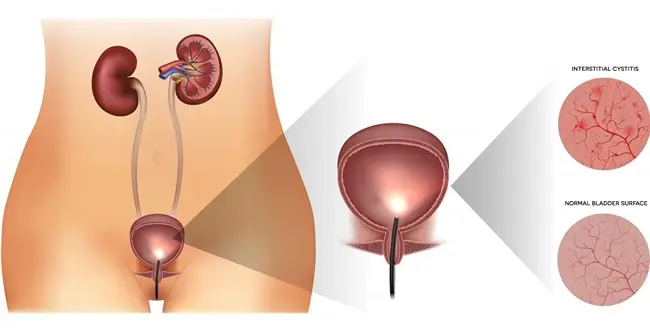
An instillation delivers a liquid treatment through a small catheter into the bladder. A course may involve repeated visits; ask about the preparation used, practical arrangements and how benefit will be judged. Catheter discomfort, infection and temporary symptom worsening are relevant considerations. Bladder stretching under anaesthesia, called hydrodistension, may be offered selectively, but any relief can be temporary and it is not a guaranteed cure.
Procedures for particular findings
Hunner lesions may be treated directly during a bladder procedure. For persistent symptoms, selected patients may discuss bladder botulinum toxin injections or a trial of sacral nerve stimulation. These options require a specialist discussion of the evidence and practical commitments. Bladder injections can make emptying difficult, so willingness and ability to use intermittent catheterisation may be necessary. A nerve-stimulation device requires assessment and ongoing follow-up.
Understand the place of major surgery
Reconstructive or bladder-removal surgery is reserved for exceptional, carefully assessed situations after other approaches have failed. It involves lasting changes and cannot promise that all pelvic pain will disappear. Ask for a specialist explanation and time to consider the implications. During any treatment, fever, flank pain, or marked deterioration needs prompt assessment. Inability to pass urine, including after a procedure, requires urgent care.
Arrange an individual review
A consultation through DRHC with Dr. Mansour Masoumi, Specialist Urologist, can review your symptoms, earlier results, and priorities. Bring your medicine list and any bladder diary. Ask which findings explain the proposed plan and how its effect will be checked. The final treatment is chosen after individual assessment and a discussion of the options appropriate for you.
Disclaimer
This article is for education only and does not replace medical advice. It is not intended for self-diagnosis or self-treatment. Do not start, stop, or change treatment based on this information; discuss your care with a qualified clinician.

Learn more about our Editorial Process.
Topic: Urology Blogs




Leave a comment