

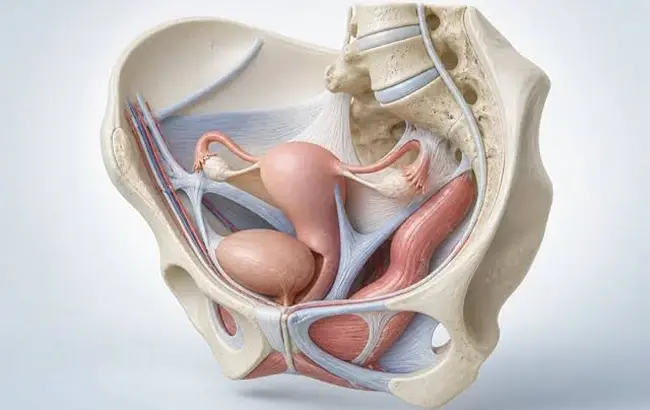
Prolapse Surgery: Repair Options, Recurrence and Shared Decisions
Prolapse surgery aims to improve the bulge and the symptoms linked to loss of pelvic support. It is usually considered when symptoms remain troublesome, and conservative options have not helped...
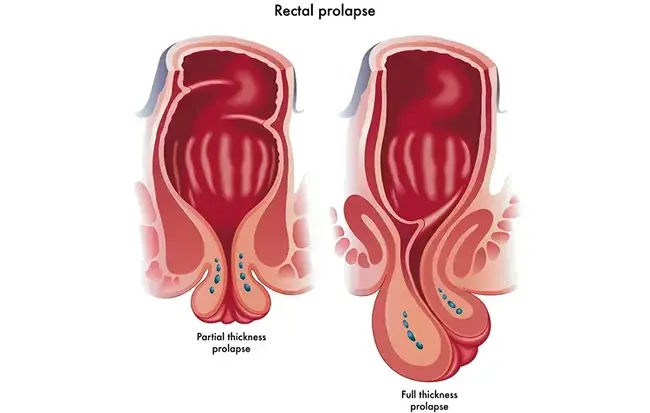
Prolapse Without Surgery: Pessaries, Pelvic Floor Training and Daily Life
A prolapse does not automatically require an operation. Many women use a combination of practical changes, pelvic floor treatment, and a vaginal support pessary to reduce symptoms. The right...
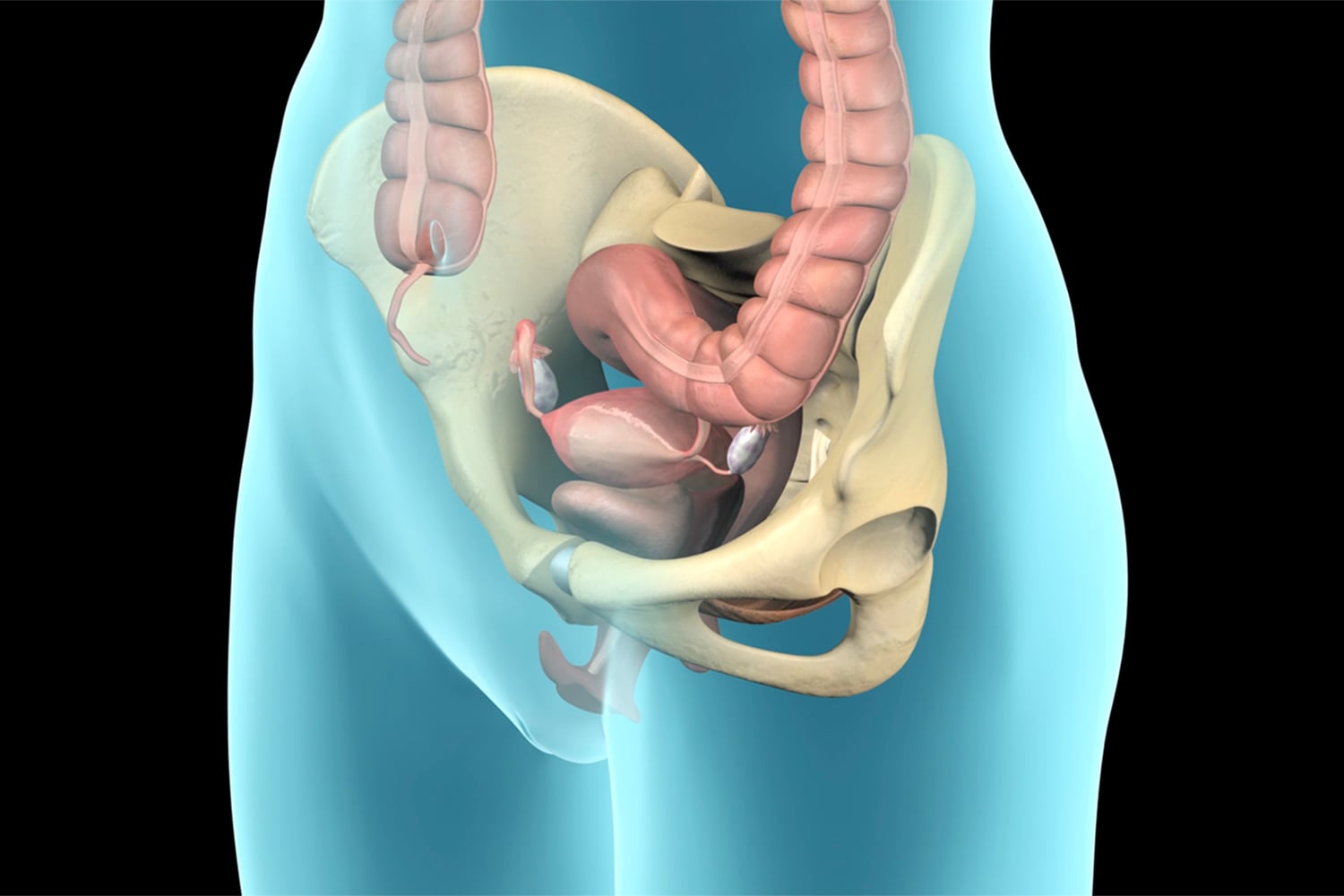
Pelvic Organ Prolapse: Bulge Symptoms, Examination and Treatment Choices
A vaginal bulge or a dragging sensation can be a sign of pelvic organ prolapse. This happens when the tissues supporting the pelvic organs allow a vaginal wall, the womb or the top of the vagina to...

Recurrent UTI Treatment Plans: Targeted Antibiotics and When to Investigate
A useful recurrent UTI plan tells you what to do when symptoms begin, how treatment will be chosen and when the pattern needs further investigation. It should reduce uncertainty without encouraging...
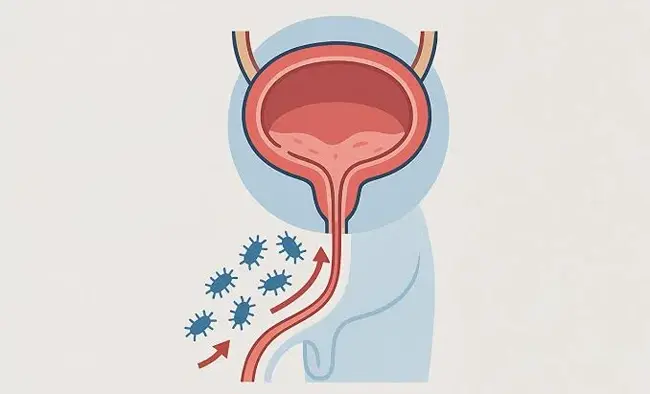
Preventing Recurrent UTIs: Vaginal Oestrogen, Methenamine and Lifestyle
A prevention plan should reduce infections while fitting your health and preferences. It begins with confirmed episodes and a review of possible contributors, rather than buying several supplements...

Recurrent UTIs in Women: Confirming Infection and Finding the Pattern
Repeated burning and urgent trips to the toilet can leave you wondering whether an infection has ever fully cleared. A recurrent urinary tract infection usually means two episodes within six months...

OAB Medicines and Next-step Treatments: Benefits and Side Effects
When urgency continues despite practical changes and bladder training, further treatment can make daily life more manageable. Choosing the next step involves more than finding the strongest medicine....

Bladder Training and Lifestyle Changes for Overactive Bladder
Bladder training is a structured way of improving control over urgency. It involves understanding your current pattern, learning how to respond to an urge, and gradually adjusting toilet visits where...
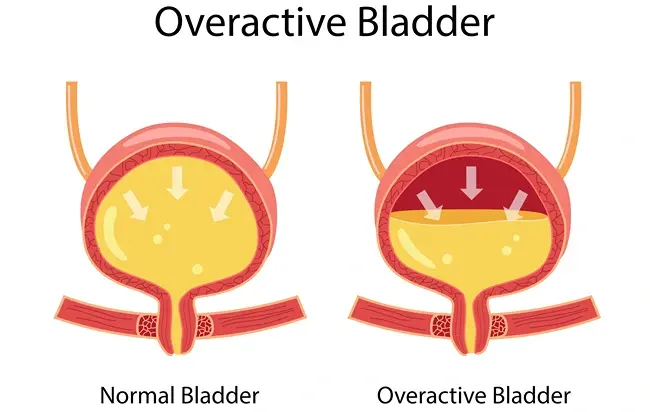
Overactive Bladder: Urgency, Frequency and Leakage Explained
An overactive bladder can make ordinary journeys revolve around the next toilet. Its main feature is urgency: a sudden need to pass urine that is difficult to put off. You may also visit the toilet...

Stress Incontinence Procedures: Slings, Bulking and Non-mesh Alternatives
If urine leakage still limits your life after appropriate conservative care, a procedure may be worth considering. Several treatments aim to improve support or closure around the urine passage, but...


Leave a comment