

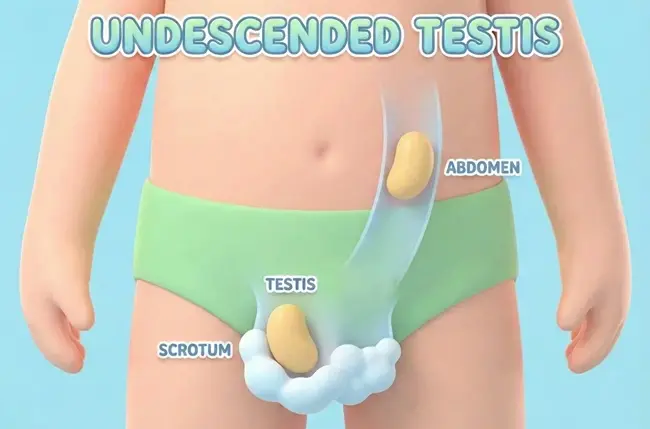
Undescended Testis: How It Differs from a Retractile Testicle
A parent may notice that one side of a baby's scrotum looks empty, or a doctor may mention an undescended testicle during a routine check. The next step is a careful examination. A testicle that has...
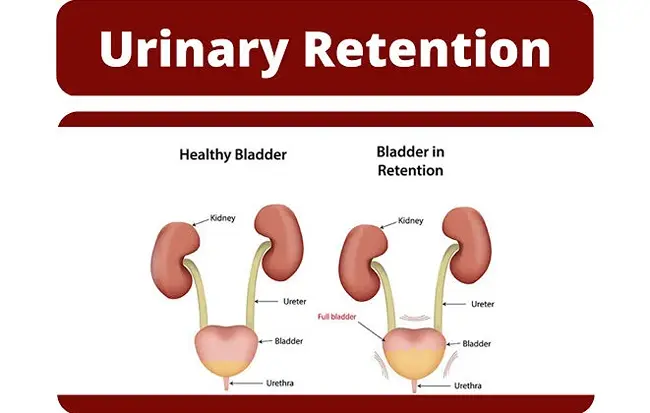
Persistent Urinary Retention in Women: Catheterisation and Specialist Treatment
Persistent urinary retention means the bladder does not empty adequately over time. Treatment aims to protect the bladder and kidneys, reduce troublesome symptoms, and address the underlying cause...
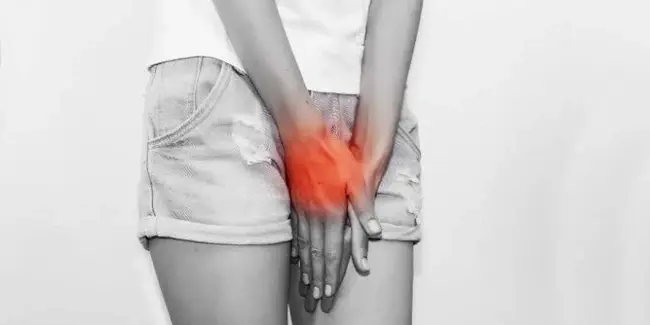
Female Voiding Dysfunction: Toileting Habits, Constipation and Physiotherapy
Passing urine comfortably requires the bladder to contract while the outlet and pelvic floor relax. In some women this coordination is disturbed, making it difficult to start or maintain the stream....
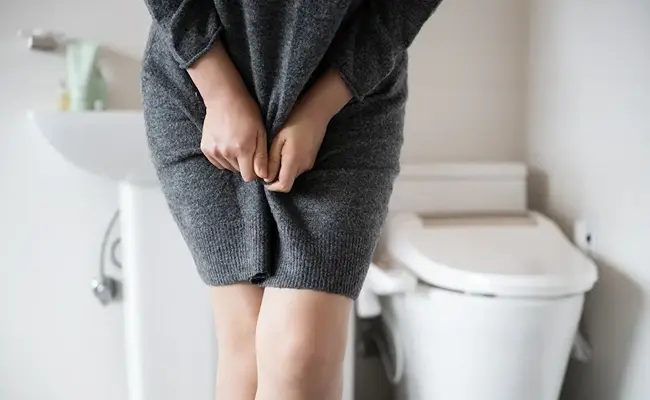
Difficulty Emptying the Bladder in Women: Causes and Assessment
A slow stream, difficulty starting, or a feeling that urine remains after a toilet visit can indicate a bladder-emptying problem. Some women also pass urine frequently, leak, or develop repeated...
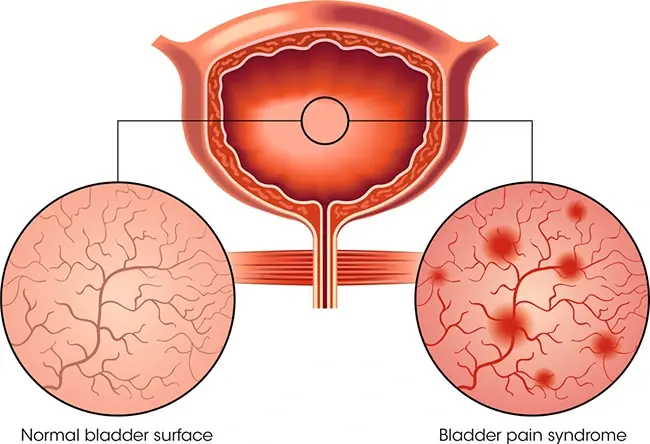
Bladder Pain Treatments: Medicines, Instillations and Selected Procedures
Bladder pain treatment should follow the pattern found at assessment, including whether pelvic muscles are painful and whether particular bladder lesions are present. There is no single medicine or...
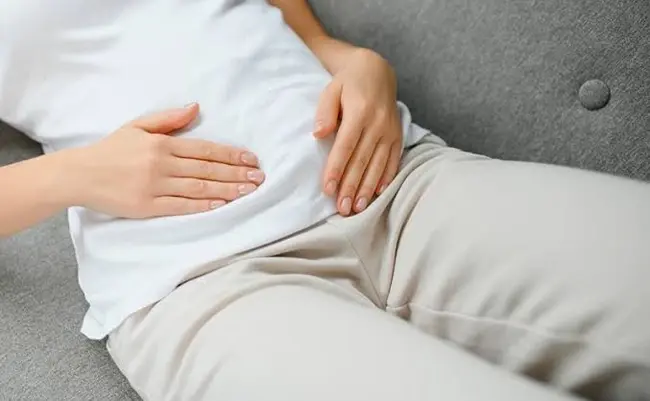
Living with Bladder Pain: Identifying Triggers and Supporting the Pelvic Floor
Daily management of bladder pain works best when it is specific enough to follow and flexible enough to fit your life. A flare can affect sleep, meals, travel and intimacy, but large restrictions may...
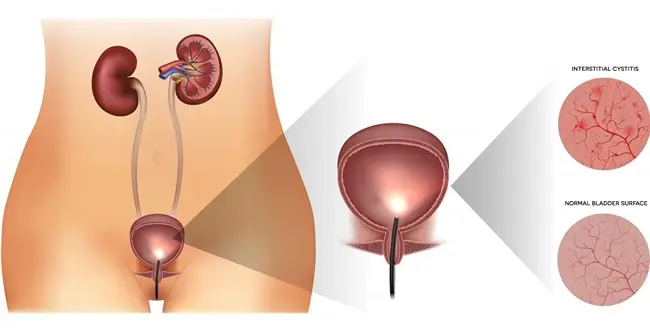
Bladder Pain Syndrome: When Symptoms Continue Without Infection
Bladder pain syndrome describes persistent or recurring pain, pressure, or discomfort felt around the bladder, usually alongside urinary symptoms. It is also called interstitial cystitis. Many...
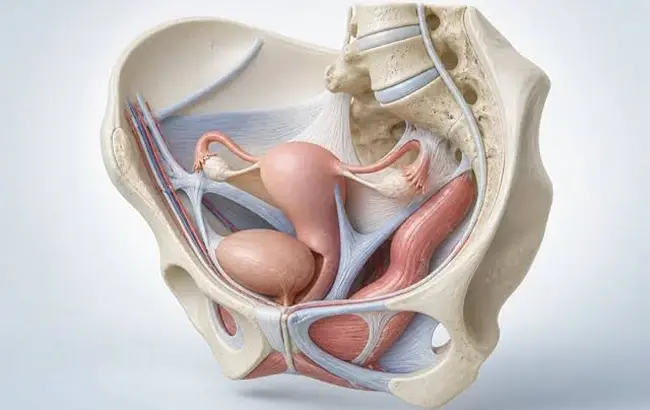
Prolapse Surgery: Repair Options, Recurrence and Shared Decisions
Prolapse surgery aims to improve the bulge and the symptoms linked to loss of pelvic support. It is usually considered when symptoms remain troublesome, and conservative options have not helped...
Prolapse Without Surgery: Pessaries, Pelvic Floor Training and Daily Life
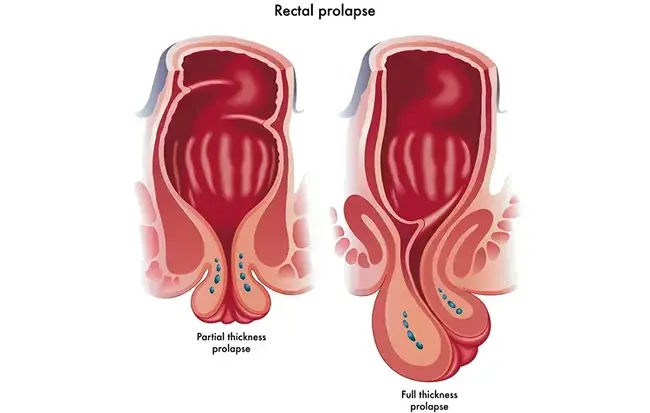
A prolapse does not automatically require an operation. Many women use a combination of practical changes, pelvic floor treatment, and a vaginal support pessary to reduce symptoms. The right...
Pelvic Organ Prolapse: Bulge Symptoms, Examination and Treatment Choices
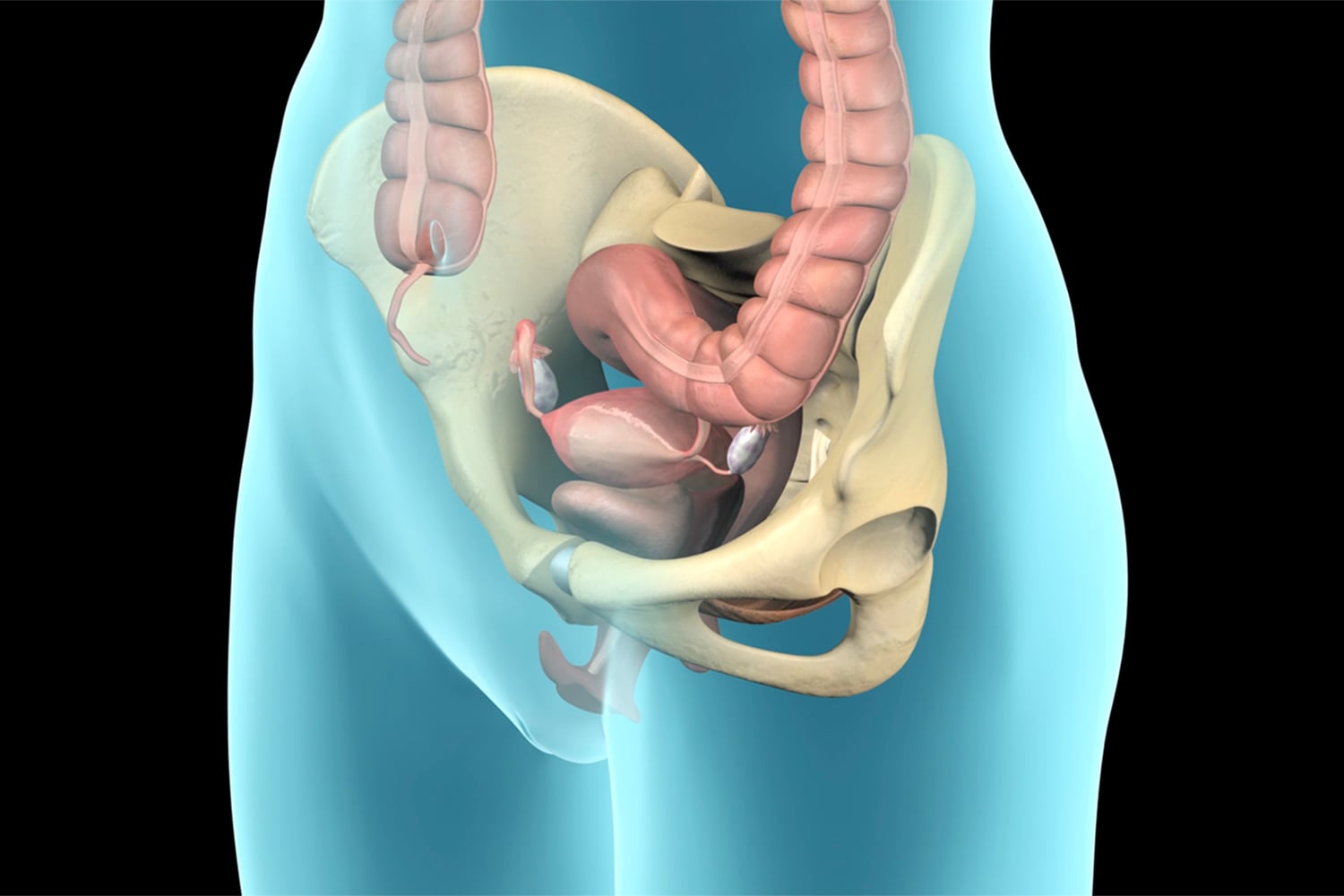
A vaginal bulge or a dragging sensation can be a sign of pelvic organ prolapse. This happens when the tissues supporting the pelvic organs allow a vaginal wall, the womb or the top of the vagina to...


Leave a comment